Pain administration looks stealthily simple from the outside. Offer an analgesic, reassess, discharge. In actual method, it is one of the most nuanced components of nursing. Patients get here overloaded with fear, complicated comorbidities, polypharmacy, and a history that may include opioid dependence or undertreated discomfort. You manage physiology, law, documentation, and human emotion, commonly under time stress. That is the context for PUAEME008, the Australian unit of proficiency that focuses on delivering pain alleviation in emergency situation and pre-hospital setups. If you are weighing pain administration courses, aiming for a pain management certificate, or picking short courses suffering monitoring to develop your edge, it pays to comprehend what this device covers and exactly how to turn it into daily competence.
What PUAEME008 really means in practice
PUAEME008 is typically referred to as "Provide discomfort monitoring." In many services it is a requirement to provide details anesthetics under protocol, particularly inhaled representatives and some parenteral choices with standing orders. While precise medicine scopes vary by jurisdiction and company, the core of PUAEME008 provide discomfort monitoring is less regarding the particle and more about risk-free, reliable systems:
- Assessment that separates pain as a signs and symptom from discomfort as a disorder. A person with crushing breast pain is not the same as an individual with musculoskeletal strain. Risk triage for warnings: shock, neurovascular concession, area syndrome, sepsis, head injury with deteriorating GCS, and feasible drug-seeking habits that can shadow assessment. Analgesic choice matched to mechanism, extent, comorbidities, and environment. The "appropriate drug" depends upon whether you have oxygen, surveillance, IV access, and the abilities to save the airway. Monitoring and titration to effect, not to behavior. Repeat analyses drive dosage decisions and escalation. Documentation that defends your scientific reasoning and satisfies medicolegal standards.
Successful candidates in a PUAEME008 supply pain monitoring training course reveal that they can use these principles under tension, not just recite them in a classroom.
Where registered nurses encounter PUAEME008
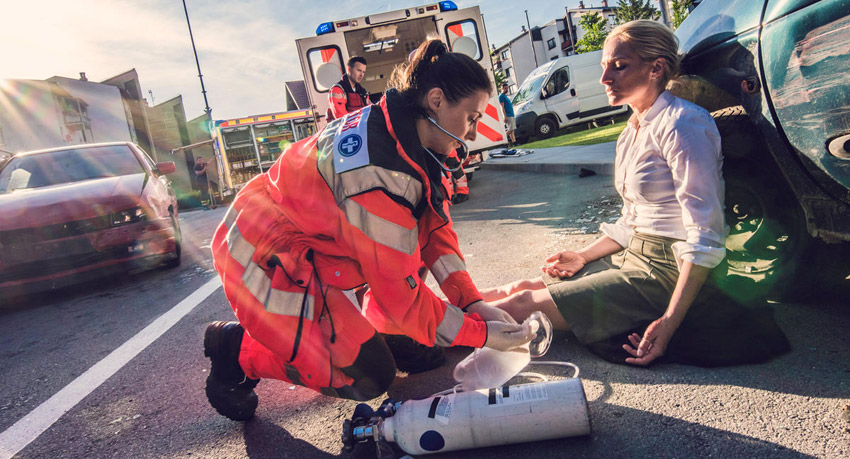
I first completed the unit throughout a shift from ward nursing to combined ED-ambulance operate in a country solution. We did not have prompt medical cover after hours. Analgesia choices had repercussions, and the closest tertiary healthcare facility sat 90 minutes away along roadways that cold over by midnight. PUAEME008 certified me to offer inhaled methoxyflurane, titrate fentanyl under method, and intensify for ketamine with clinical appointment. That range will differ, yet the framework really felt universal.
Nurses meet this device in 3 main contexts:
- Pre-hospital or retrieval atmospheres where standing orders call for a competency like PUAEME008 to provide analgesia without a prescriber on-site. Emergency divisions and immediate care centers where nurse-initiated analgesia paths exist. Remote and country centers where nurses take care of pain throughout long term transport intervals.
Even if your setting keeps analgesic administration strictly under clinical orders, the evaluation, monitoring, and paperwork components of the device boost your technique and reduce medical risk.
Competencies you have to demonstrate
A great discomfort management training course that straightens to PUAEME008 will not be a slideshow of medicine truths. Anticipate to show four broad competencies:
Clinical evaluation. You will be anticipated to use a confirmed discomfort scale, however much more significantly you will certainly reveal you can determine the likely pain mechanism from background and test. That means localizing discomfort, mapping radiation, examining neurovascular condition, evaluating for red flags, and deciding when analgesia must wait on life-saving treatments. For instance, a hypotensive injury client may need blood items before anything else.
Analgesia selection and application. You will validate why an offered individual obtains a details representative, at an offered starting dosage, with a specified strategy to titrate. Blended agents have synergy and trade-offs. As an example, matching paracetamol and an NSAID minimizes opioid demands in several musculoskeletal injuries, yet NSAIDs are an inadequate option for presumed crack with bleeding risk or renal problems. In a wheezing patient with severe discomfort, ketamine might be more secure than morphine because of its minimal respiratory depression.

Monitoring and rise. The system anticipates you puaeme008 to expect restorative result and side effects, to readjust dose, to change agents if required, and to recognize when to ask for back-up. Inhaled analgesia may be enough for a dislocated shoulder reduction, however a femoral shaft fracture throughout a lengthy transportation might call for IV alternatives and regional strategies if available.
Communication and documentation. You must be able to hand over plainly to paramedics, ED associates, or an access team. Good documentation complies with the chain: evaluation, decision, medicine and dose, action, unfavorable effects, and plan. It is likewise your guard if a case is reviewed.
Matching program options to your role
The discomfort monitoring programs market is crowded. Names vary, and not every offering lines up with PUAEME008. When evaluating service providers of pain administration training courses, seek these qualities:
- Nationally acknowledged device mapping that specifically lists PUAEME008 supply pain administration, not just a common "sharp pain" module. Practical circumstances and simulation with abilities sign-off, not only e-learning. If your function consists of inhaled analgesia or IV titration, you should take care of equipment and do simulated dosing and monitoring. Clear evaluation time frames and re-certification requirements. Analgesia expertises typically expire after 1 to 3 years, with updates on protocols and pharmacovigilance. Trainer credentials with pre-hospital or ED experience. You desire instructors who have actually made these decisions at 3 a.m., not only in lecture halls.
Short programs hurting administration can be worthwhile if they strengthen the core abilities with hands-on technique. A certificate training course suffering monitoring that consists of case studies, pharmacology refreshers, and emergency situation pain management drills has a tendency to have the best transfer to the floor.
What "great" method resembles at the bedside
A brand-new graduate as soon as asked why I invested 3 added mins collecting background before giving an analgesic to a person with ankle discomfort. The factor was uncomplicated. The ankle was not the problem. The proximal fibula was tender, the foot was cold, and the patient had pain disproportionate to touch. The differential consisted of a vascular issue, and immediate imaging trumped early NSAIDs. A discomfort administration certificate need to educate you to adjust this sort of judgment.
When analgesia is suitable, match the drug to the task:
- Mild to modest musculoskeletal discomfort without warnings commonly reacts to paracetamol and an NSAID, plus ice, altitude, and immobilisation. Opioids include little benefit when the fundamental measures are neglected. Severe distressing discomfort on scene might require breathed in analgesia as a bridge. It buys time to establish IV gain access to, splint properly, and plan clear-cut analgesia en route. Renal colic can prefer ketorolac when renal function allows, with wise opioid titration if required. Metoclopramide covers nausea or vomiting and can help with opioid sparing. Fracture decrease or dislocation requires planning: sufficient analgesia and muscle relaxation, monitoring, and post-procedure neurovascular reassessment.
Nurses with PUAEME008 competency are usually the first to act. The very best ones do not skip the basics of comfort: repositioning, warm blankets, peaceful environment. Those information reduced overall analgesic demands, particularly in older adults.
Pharmacology you will actually use
A pain management certification training course spends time on pharmacology, however memorizing medicine graphes is not the result. You require fluency with the patterns.
Paracetamol stays the most safe initial step in many patients. Dosage issues. Adults typically receive 1 g by mouth or IV every 6 hours, mindful of cumulative everyday limits, liver disease, and poor nutrition. It is stackable with almost whatever else.
NSAIDs provide solid alleviation for inflammatory discomfort: strains, kidney colic, dental pain, and post-op pain when allowed. They are contraindicated or high-risk in GI bleeding, progressed renal disability, inadequately controlled cardiac arrest, and late pregnancy. Programs ought to cover agent-specific subtleties, like the onset and kidney effect of ketorolac versus ibuprofen, and when to avoid them in trauma with potential bleeding.
Opioids are devices, not remedies. Morphine, fentanyl, and oxycodone each have accounts that matter. Morphine brings histamine launch and hypotension risk in some clients. Fentanyl works rapidly, which is valuable in titration, but it does not last long. Oxycodone is easy to suggest inadequately and easy to taper improperly. Respiratory system anxiety is the risk that gets the headings, but the extra typical problems are nausea, throwing up, irregularity, and delirium in older adults. PUAEME008 training emphasizes titrate-to-effect dosing and extensive monitoring.
Inhaled analgesia such as methoxyflurane prevails in pre-hospital and minor treatment setups. It is patient-controlled and fast to begin, though restricted by advancing dosage ceilings and prospective nephrotoxicity with extended or repeated use. You require to understand how to advise people, make certain adequate air flow in constrained spaces, and recognize when the inhaler masks hypoventilation or hypoxia.
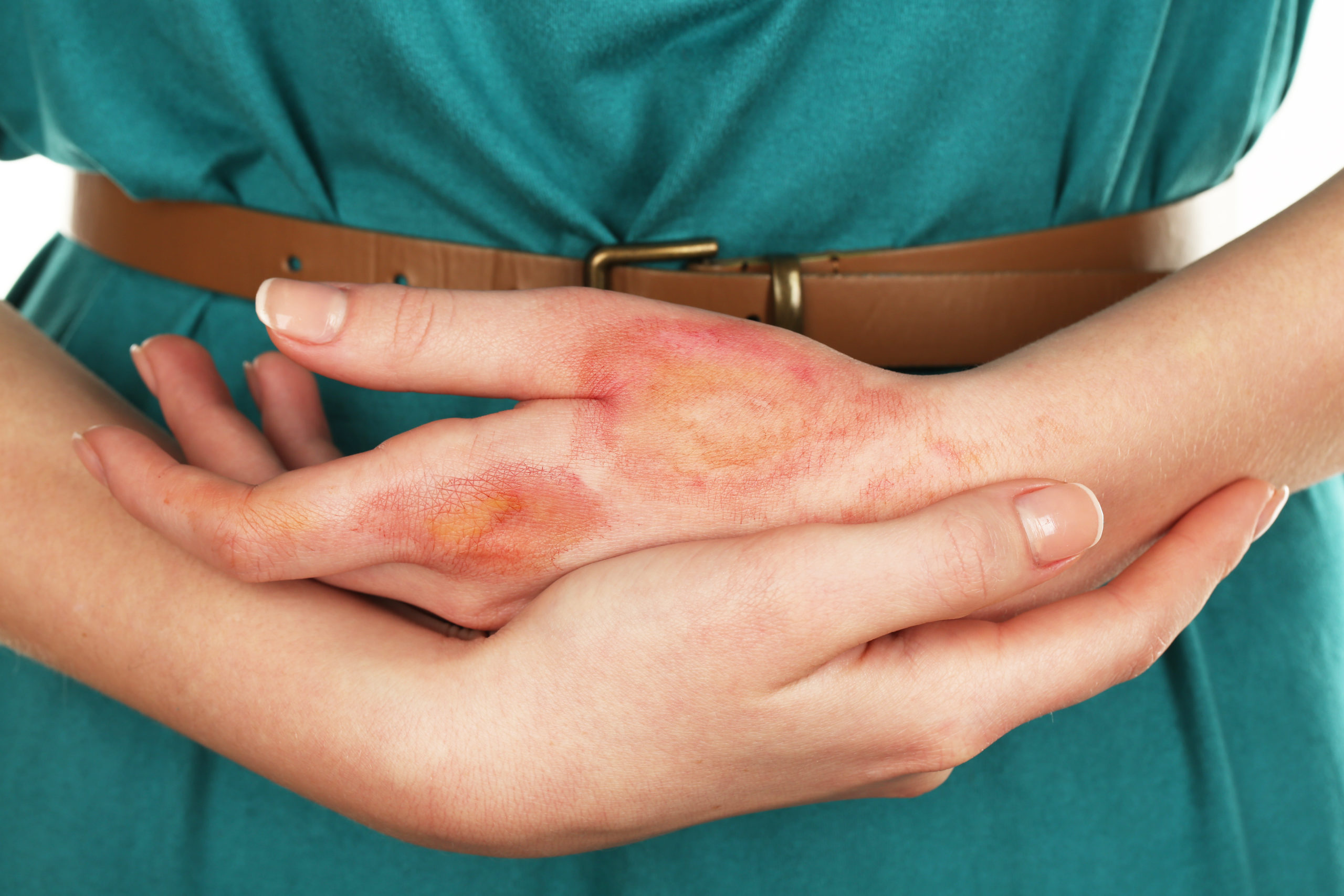
Ketamine has taken a specific niche in emergency discomfort administration for extreme injury, burns, and opioid-tolerant patients. Sub-dissociative application supplies analgesia with very little respiratory clinical depression, however high blood pressure, tachycardia, and emergence reactions can take place. It requires surveillance and training, which lots of pain monitoring training programs now include.
Regional blocks are significantly component of nurse-led procedures in some services, particularly femoral nerve blocks for hip cracks overseen by innovative professionals or doctors. If your scope includes this, your certificate program hurting administration ought to cover sterile certificate course in pain management method, makeup, safety and security checks, and documentation.
Adjuvants such as antiemetics, antispasmodics, and neuropathic agents are the difference in between chasing pain and managing it. Tiny details aid. An early dose of ondansetron usually prevents the cycle of vomit, missed analgesic, enhanced pain, and further opioid need.
Safety webs and edge cases
Two populaces will certainly check your training: older grownups and those with substance use disorders.
Older grownups have reduced physiologic books and several drugs. Kidney function may be marginal also if creatinine looks typical. Begin with non-pharmacologic steps and paracetamol if proper, prevent long-acting opioids, and display for ecstasy. I have actually seen a next-door neighbor's hip fracture individual drift into complication after what appeared like a traditional opioid dosage. The resolution was time, fluids, household presence, and a careful switch to set up non-opioid analgesics.
Patients with opioid tolerance or a history of misuse require clear, compassionate care. Do not conflate under-treated discomfort with drug-seeking behavior. Validate history, use unbiased findings, and communicate a strategy. Short-acting, titratable opioids with close monitoring are typically safer than high initial dosages or long-acting formulas. Engage dependency medication early if available. Your documents ought to show assessment, reasoning, and agreements made.
Other edge situations include pregnancy, where NSAIDs are commonly limited in the third trimester, and the use of nitrous or methoxyflurane calls for obstetric input. Asthmatics might not tolerate specific NSAIDs. Head injuries be worthy of special care with sedating analgesics that shadow neuro checks. PUAEME008 training should prompt you to think about these threats prior to you formulate a syringe.
How training courses assess abilities, not simply knowledge
Most pain management courses for registered nurses that map to PUAEME008 make use of a combined format. Anticipate pre-reading on pharmacology, multiple-choice knowledge checks, and, crucially, scenario-based assessments. You may manage a simulated substance fracture on a manikin, guide a standardized patient through breathed in analgesia, or run a case of extreme abdominal pain with developing vitals. Assessors view your sequencing, interaction, and documents. Time pressure becomes part of the layout. That is proper, considering that the system targets emergency situation discomfort management.
A reasonable training course likewise includes debriefs that compare different secure techniques. As an example, one prospect could choose fentanyl titration after breathed in analgesia, an additional may focus on a local block if a clinician is present to sustain it. Both can be correct if the reasoning and tracking are audio. Great facilitators do not teach "one appropriate way," they show a collection of secure choices matched to context.
Documenting pain like a professional
If a case mosts likely to audit or coronial evaluation, the high quality of your discomfort documentation will certainly be on display. Here is a succinct pattern that has actually stood up well over years in ED and pre-hospital setups:
- Record the standard pain rating with context: location, character, radiation, causes, and feature. "Pain 8/10, sharp, best flank to groin, colicky, even worse with activity, queasiness present." Justify your strategy in one sentence. "Provided likely kidney colic, begin ketorolac if kidney feature enables, plus ondansetron, reassess 10 minutes, take into consideration fentanyl titration." Document the drug, dose, route, time, and concurrent interventions like splinting or ice. Reassess at specified intervals. Tape-record both subjective discomfort scores and unbiased signs: facial expression, securing, heart rate, respiratory system price, and practical examinations like ability to deep take a breath or move the limb. Note unfavorable results or absences thereof, any dose changes, and the handover or discharge strategy, including cautions about driving, added doses, and red flags.
Your notes become part of your pain administration certification in action. They show professional maturity and protect you and your patient.
Choosing in between general and role-specific training
There is value in both wide discomfort management training and focused, role-specific training courses. A basic discomfort management accreditation training course develops pharmacology and evaluation skills that equate throughout setups: ED, wards, aged treatment, and community. Role-specific PUAEME008 give discomfort management courses focus on emergency methods, standing orders, and the logistics of analgesia in much less regulated environments.
If you divided your time between ED triage and ambulance assistance, take the role-specific training course initially. If you are early in your job or returning from a leave, begin with a wider discomfort management certification course to rejuvenate fundamentals, then add PUAEME008 for scope.
Pain management programs for physio therapists likewise exist, commonly highlighting non-pharmacologic techniques, placing, and graded exposure for persistent discomfort. Interdisciplinary sessions where nurses and physio therapists train together can be eye-opening. You see how language and movement can minimize pain ratings without a single milligram of medication.
Common pitfalls and exactly how to stay clear of them
Three errors come up consistently in audit conferences. The initial is under-treatment as a result of be afraid of opioids or an uncertainty. Patients remember when their discomfort is disregarded. If your evaluation supports it, deal with early with safe agents, screen closely, and record the plan.
The second is over-reliance on a single drug, specifically opioids. Balanced analgesia is generally far better. Combining paracetamol and an NSAID, adding ice or splinting, and utilizing antiemetics lowers the overall opioid need and side effects. Think in combinations.
The third is bad communication. If you titrate analgesia, your associates need to know what you have actually done and exactly how the person reacted. Handovers that include the trajectory of pain and feature assist the next group continue securely. "Discomfort from 9 to 6 after 50 mcg fentanyl, able to exist still for CT, breathing rate steady at 16, strategy better 25 to 50 mcg if discomfort rises above 7, take into consideration ketamine if added boluses needed."
Turning expertise into habit
Competency is granted on a day, yet ability matures in time. Build 3 habits to maintain your PUAEME008 sharp:
- Treat pain as an essential indicator plus a story. Ask the patient what an effective end result looks like. For some, it is resting without waking; for others, it is walking to the bathroom. Audit yourself. As soon as a month, assess a handful of your situations for time to very first analgesia, overall doses, side effects, and person comments. Patterns emerge. You will see where you regularly under-dose or overuse an agent. Rehearse the edge instances. If your solution allows it, run tabletop drills: serious burns with limited IV accessibility, elderly hip fracture with ecstasy, pediatric crack with panicked moms and dads. Self-confidence grows when you exercise beyond crises.
Where PUAEME008 fits within broader specialist growth
A pain management accreditation is one sounded on a ladder. After you master it, think about increasing into sedation expertises, trauma care, or regional anesthesia in partnership with clinical coworkers. The content you find out here additionally improves persistent discomfort conversations. Patients observe when a registered nurse discusses why paracetamol and an NSAID, tackled timetable, will certainly help them relocate physio tomorrow, and exactly how motion feeds back to minimize discomfort. That is the medical loophole that decreases readmissions and improves satisfaction.
For supervisors, sustaining pain administration training for registered nurses is a security investment. When team can assess and deal with early, time to imaging reduces, treatments go efficiently, and problems about being disregarded drop. A well-structured offer pain administration training course additionally develops a common language across changes and self-controls. You will hear it in handovers.
Final ideas from the floor
I have offered analgesia in a well-lit resus bay with complete monitoring and in a roadside ditch with rain blowing sidewards. The principles did not alter. Analyze first, match medication to system and risk, titrate with intent, and interact the plan. PUAEME008 defines those behaviors and offers you the lawful and specialist scaffolding to act decisively.
If you are thinking about discomfort monitoring qualification, select a carrier that maps easily to the unit, pushes you in realistic situations, and provides practical feedback. If you already hold the credential, maintain using it purposely. Discomfort is complicated. Clients remember who took it seriously, and your skill can be the difference in between a distressing memory and a workable one.